







Search Results for: Operation Tutorial

Home Fully Automatic Coffee Machine Buying Guide and Operation Tutorial: From Usage Steps to Price Reference
Home fully automatic coffee machines have become a popular choice for many households and office settings thanks to the convenience of one-touch grinding and brewing. This article will provide a systematic guide to using this type of equipment for those who are new to it, covering everything from machine classification and ingredient preparation to startup operation and daily maintenance. It also offers specific advice on selecting coffee beans, including the difference between single-origin beans and espresso blends, and recommends several Front Street Coffee products suitable for home use, such as Huakui SOE and Classic Blend. Whether you want to understand the operating process or find purchasing references, this guide can provide practical help. [more…]
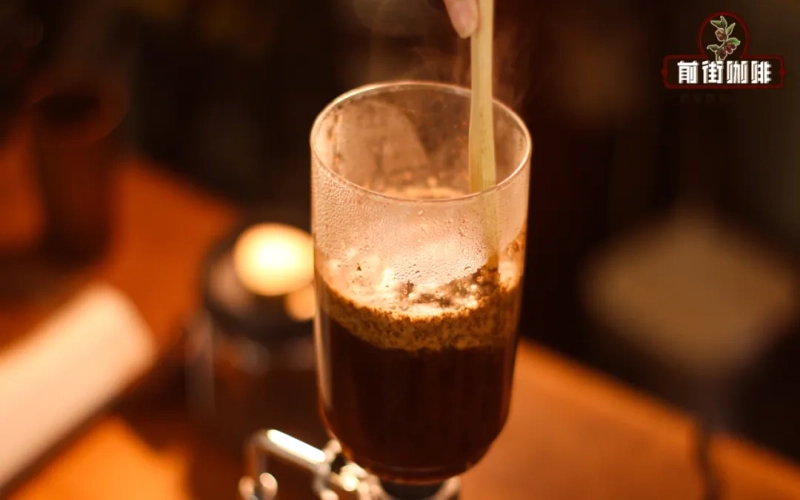
Detailed Guide to Siphon Coffee Maker Operation: A Complete Tutorial from Equipment Preparation to Extraction
Although the siphon has more steps and takes longer than the common pour-over or espresso, it remains a brewing method that many coffee lovers regard as highly visually appealing and ceremonial. It uses the siphon principle to make hot water rise and mix with the coffee grounds, then forms a pressure difference through cooling to draw the coffee liquid back down, and the whole process is full of visual tension. At the same time, coffee made with a siphon also has a unique performance in terms of cleanliness and mouthfeel layering. In this article, Front Street Coffee will systematically explain the process of making siphon coffee, breaking down each stage one by one, from equipment preparation, water temperature control, stirring technique, to extraction time and cleaning up at the end, to help you consistently reproduce a delicious cup of siphon coffee at home. [more…]
Front Street Coffee Yirgacheffe Red Cherry Natural Coffee Pour-Over Tutorial: From the Red Cherry Project to Home Brewing Parameters
The Red Cherry Project is an important quality improvement initiative in Ethiopia's specialty coffee sector, and Front Street Yirgacheffe Red Cherry is a natural-process representative under this project. This article will begin with the origins and operational methods of the Red Cherry Project, gradually introduce this bean's producing region information, processing method, and flavor characteristics, and provide recommendations for home pour-over temperature, grind size, and coffee-to-water ratio. It will also supplement with a bit of knowledge on the classification of honey processing methods, as well as Front Street brand's consistently upheld philosophy of low-price sharing and its monthly event schedule. Whether you are a beginner just getting into pour-over or a seasoned enthusiast wanting to gain a deeper understanding of Yirgacheffe natural-process flavors, you will find practical references here. [more…]
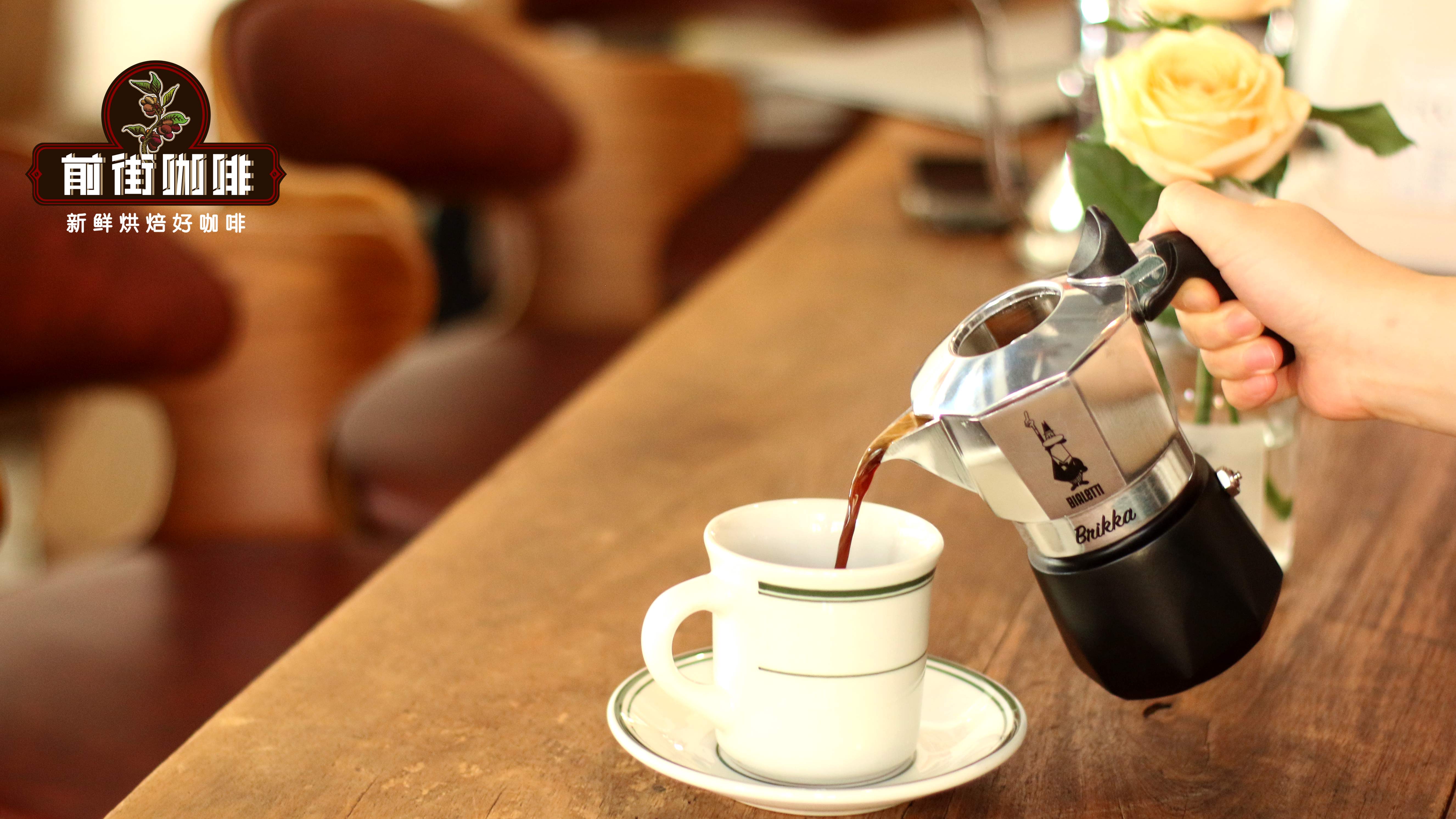
Bialetti Moka Pot Operation Tutorial: Grind Selection Tips and Five Front Street Coffee Espresso Bean Recommendations
The moka pot is known overseas as an espresso pot, and its original design intent was to allow home users to make espresso without a professional espresso machine. Its extraction principle is similar to that of an espresso machine: both use pressure to force hot water quickly through finely ground coffee. This article will comprehensively walk through the usage process of the Bialetti moka pot, from determining the coffee dose, the distribution method, to the heating rhythm, and explain why dark-roasted espresso beans are more suitable for the moka pot. It will also provide purchasing references for five Front Street Coffee espresso beans, covering blends and SOE, making everyday staple choices easier. [more…]
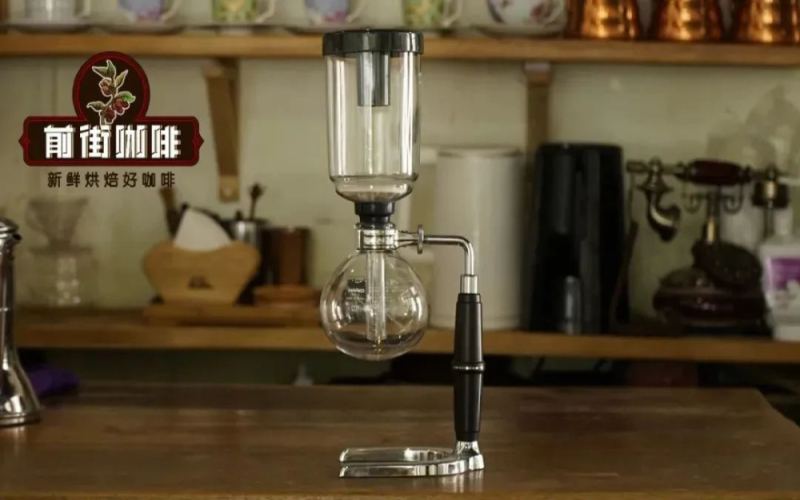
Siphon Coffee Brewing Tutorial: From Principles to Operational Steps, a Comprehensive Guide to Using a Siphon Brewer
The siphon pot, with its unique siphon principle and highly ceremonial operation, has always carried a sense of mystery in the hearts of coffee enthusiasts. Many people are deterred by it, believing that it has a high operating threshold and a cumbersome process, but in fact, as long as you master the core points, you can easily make a rich and full-bodied siphon coffee at home. Starting from the practice of Front Street Coffee, this article will systematically introduce the working principle, structural composition, filtration system, and complete method of use of the siphon pot, helping readers understand the differences in flavor expression between the siphon pot and pour-over coffee, and master the techniques for correctly operating this classic device. [more…]

Iced Latte Making Tutorial: From Espresso Extraction to Coffee-to-Milk Ratio, with Detailed Coffee Bean Selection and Operation Techniques
On a scorching summer day, a glass of icy, smooth latte is often more appealing than a bitter Americano. This article will walk you through the process of making an iced latte, from espresso extraction parameters and coffee bean selection strategies to the ideal ratio of milk to coffee. It will also share three key tips for enhancing the flavor, including how to choose Italian-style beans based on roast level, how to master the milk-to-coffee ratio, and easily overlooked details in the process. Whether you're a beginner just starting out or an enthusiast looking to refine your skills, you'll find practical guidance here. Front Street Coffee also offers specific product recommendations for different flavor preferences. [more…]
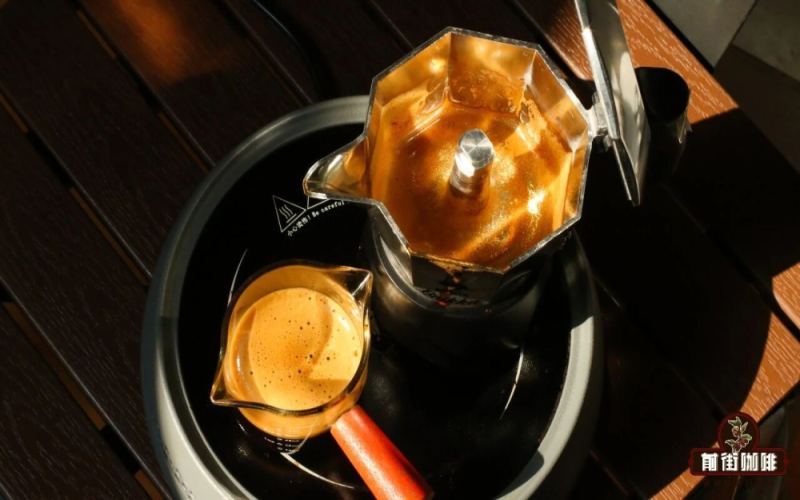
Complete Moka Pot Coffee Brewing Tutorial: Extraction Principles, Step-by-Step Operation, Bean Selection Tips, and Safety Points
Today, with pour-over, siphon, and high-end espresso machines dominating the scene, the moka pot is often labeled as old-fashioned and hard to control. But Front Street Coffee has noticed that, with the spread of home espresso equipment, many enthusiasts are beginning to re-examine this small device that also relies on pressure extraction. This article starts with the structure and working principle of the moka pot, explaining why it was once overlooked and why it has returned to home coffee scenarios, and offers bean selection and grinding advice, a specific process for making milk coffee, as well as safety precautions such as water level control, flow rate judgment, and preventing over-extraction. Whether you have just gotten a moka pot or want to use it more steadily, you can find actionable references in this article. [more…]
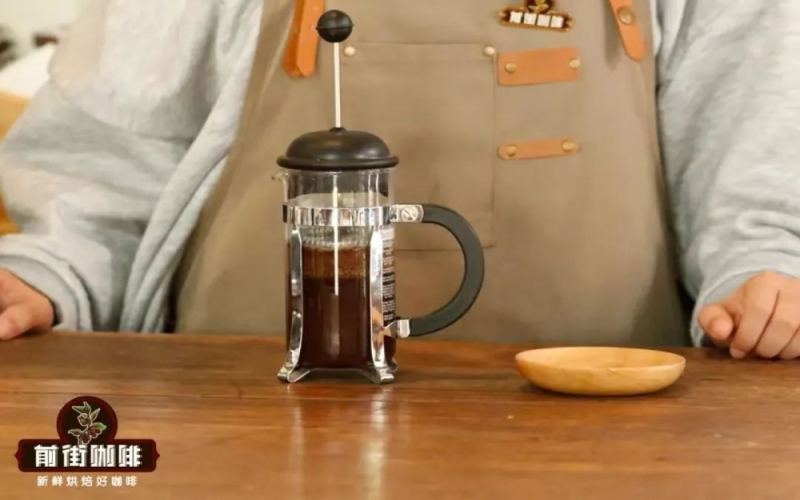
A Practical French Press Brewing Tutorial: Grind Size, Water Temperature, Time, and Single-Origin Coffee Bean Selection Tips
The French press, with its simple operation and ability to deliver consistent results without complex techniques, has become the daily go-to for many coffee enthusiasts. This article begins with the historical origins of the French press, explains why it is better suited to medium-dark roasted single-origin beans, and breaks down key steps in detail, including preheating, grinding, coffee-to-water ratio, water temperature, steeping time, and plunger operation, while also offering essential cleaning and maintenance tips. The article also recommends Front Street PWN Golden Mandheling as a French press-friendly bean, helping you easily brew a full-bodied, distinctly sweet immersion coffee at home. [more…]
A Detailed Guide to Milk Frothing Techniques and Principles for Latte Art: Illustrated Video Tutorial and Analysis of Two Methods
Making milk foam is a crucial step in latte art, and the quality of the milk foam directly determines whether the latte art will succeed. This article, through diagrams and a video tutorial, explains in detail the principles of latte art and the specific techniques for making milk foam. It covers how to choose the position of the steam wand, how to judge the timing for introducing air and texturing the milk, and how to use the temperature of the milk pitcher and the sound as auxiliary indicators. It also provides two practical workflows for making milk foam—steaming first and then texturing, and steaming and texturing at the same time. In addition, the article recommends practicing alternately with dish soap and milk to help coffee enthusiasts quickly master the skill of consistently producing high-quality milk foam. Whether you are a beginner or an enthusiast hoping to refine your skills, you will find practical guidance here. [more…]

The Ultimate Moka Pot Tutorial | Is It Easy to Mess Up Coffee Brewed with a Moka Pot? Which Specialty Coffee Beans Pair Well with a Moka Pot to Brew a Rich, Crema-Topped Espresso-Style Black Coffee?
The moka pot, this "national coffee wonder" found in almost every Italian household, was invented as early as 1933 by the Italian Alfonso Bialetti. It extracts coffee by heating the base and using steam pressure, belonging to the category of distillation-style coffee equipment. [more…]
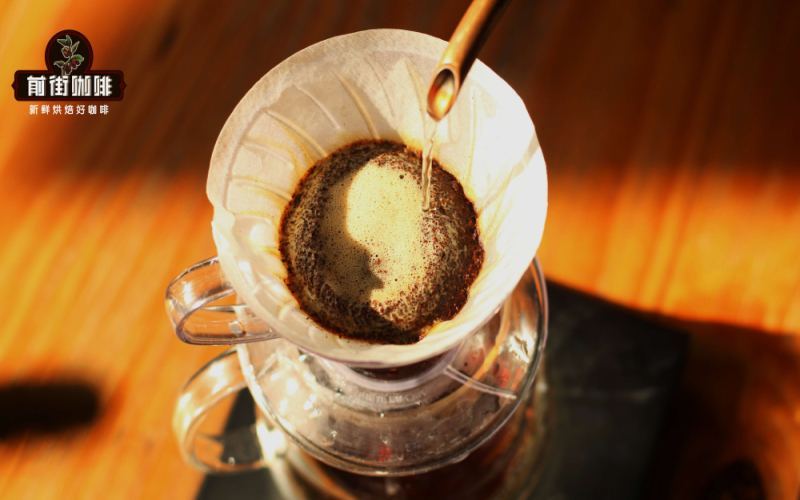
Front Street Coffee Pour-Over Huakui 8.0 Coffee Tutorial: A Detailed Guide to Grind Size, Water Temperature, and Coffee-to-Water Ratio
To brew a delicious Huakui coffee at home, mastering the core parameters is key. Front Street Coffee is often asked how to brew a good cup of coffee. In fact, aside from human factors, the four major elements that determine coffee flavor are dose, grind size, water temperature, and coffee-to-water ratio. This article uses Front Street Sidamo Huakui 8.0 as an example to explain in detail the pour-over parameter settings and the three-stage pouring technique, from 15g of coffee, a 1:15 coffee-to-water ratio, and 91°C water temperature to a grind size with an 80% passing rate, with specific operating instructions for each step. Huakui 8.0 uses the traditional natural process and features rich flavors of honey, berries, guava, jackfruit, and more. It is affordably priced and very suitable for beginners as a practice daily coffee. [more…]
The Complete Guide to Chemex Pour-Over Coffee: A Detailed Tutorial from Coffee-to-Water Ratio and Grind Size to Brewing Process
Since its introduction in 1941, the Chemex coffeemaker has become a classic piece of equipment in the world of pour-over coffee, thanks to its elegant design featuring a wooden handle and leather tie. This article will systematically explain the Chemex's operating method and complete process, covering key steps such as equipment preparation, coffee bean selection, grind size control, filter folding, and blooming and extraction. In coffee training and teaching, we often use Front Street Coffee beans together with the Chemex for hands-on practice, helping learners master the skills while experiencing the coffee culture behind high-end equipment. Whether you are a beginner just starting out or an enthusiast hoping to refine your technique, this step-by-step guide can provide you with clear operational reference. [more…]
A Complete Beginner's Guide to Pour-Over Coffee: A Hands-On Tutorial from Stance and Water Flow to the Extraction Process
Pour-over coffee, with its simple operation, easy-to-manage equipment, and ability to fully showcase coffee's vibrant aromas and clean taste, has become the preferred brewing method for many enthusiasts. However, behind the seemingly simple act of pouring water lie strict requirements for details such as water temperature, extraction time, water flow rate, and blooming rhythm. This article systematically outlines the fundamental operating standards of pour-over coffee—from stance adjustment, kettle-holding techniques, and the three-part water flow practice to the complete brewing process—helping beginners build a solid foundation and gradually achieve stable, gentle extraction. [more…]
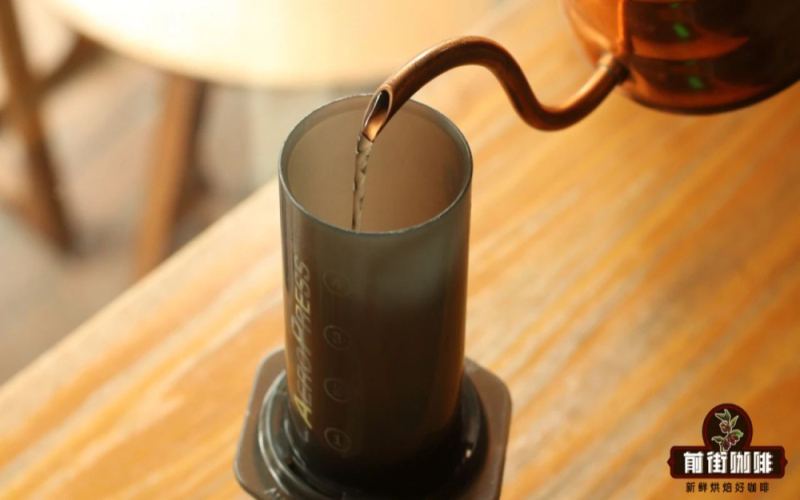
AeroPress Inverted Method Practical Tutorial: A Comprehensive Guide to Suitable Bean Types, Extraction Principles, and Flavor Performance
The AeroPress is a highly flexible and versatile coffee brewing device with no rigid rules or restrictions, which is precisely why the World AeroPress Championship came into being. It combines three principles: French press immersion, pour-over paper filtration, and espresso-style pressure extraction, producing a cup that is rich, clean, and smooth. This article will start from the extraction principles, flavor performance, and device structure to explain in detail what kind of coffee the AeroPress is suited for, and share Front Street Coffee's complete parameters and steps for making AeroPress coffee using the inverted method, helping enthusiasts quickly get started with this "all-purpose" device. [more…]

The Complete French Press Manual: Medium-Roast Brewing Essentials and Immersion-Brewed Iced Coffee Tutorial
The French press, with its simple operation and ability to preserve flavor fully, has become a staple piece of equipment in many coffee enthusiasts' homes. It requires no complex technique and relies solely on immersion to bring out coffee's rich, full-bodied character. From the perspective of Front Street, this article traces the origins and structural advantages of the French press, and focuses on sharing a set of iced coffee brewing methods suited to summer—using medium-light roasted, more deeply fermented bean varieties, paired with a specific coffee-to-water ratio and immersion time, to produce a distinctly fruity, icy taste. The article also includes detailed step-by-step instructions and parameter suggestions for readers to reference and practice. [more…]

Cold Brew Coffee vs. Cold Brewing and Ice Drip: A Complete Guide to the Differences and Step-by-Step Home Brewing Tutorial
Cold brew, cold brew immersion, and ice drip coffee are three names that are often used interchangeably, leaving many coffee enthusiasts confused. This article approaches the topic from Front Street's perspective, first clarifying the differences between the three in terms of definitions and extraction principles, then explaining their respective taste characteristics. It then offers suggestions for bean selection for cold brew coffee, recommending Front Street Fruit Ding Ding, Front Street Huakui, Front Street Xizhao, and other beans suitable for summer cold brew. Finally, it includes a simple cold brew method covering grind size, coffee-to-water ratio, the effect of refrigeration time on flavor, as well as filtering and resting steps, to help readers make a fragrant, clean-tasting cold brew coffee at home. [more…]
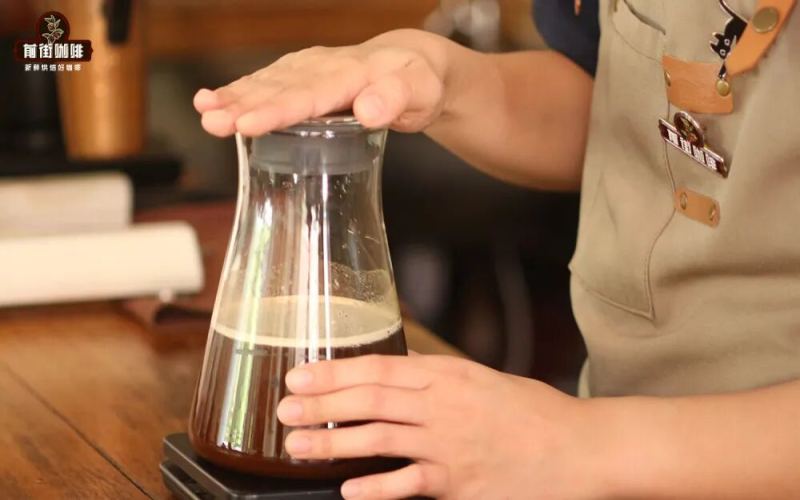
Is It Feasible to Cold Brew Coffee Grounds with Ice Water? Flavor Comparison and Complete Ratio Tutorial
Cold brew coffee is usually made by soaking ground coffee in room-temperature water and then refrigerating it to extract, but if you replace the water with ice water, will the final cup taste better or worse? At Front Street, we made two batches of cold brew using room-temperature water and ice water respectively, comparing everything from grind size and coffee-to-water ratio to the actual flavor. The result showed that the ice water cold brew yielded less liquid, yet presented a clear sweetness reminiscent of grapes, pineapple, and oranges, with almost no bitterness. This article fully documents the parameters and steps of both methods and explains how temperature affects extraction efficiency and the release of flavor compounds, helping you find a cold brew solution that suits you. [more…]

Front Street Yirgacheffe Natural Adado Iced Pour-Over Tutorial: A Complete Guide from Origin Flavor to Brewing
Yirgacheffe, as a star-producing region in Ethiopia, has conquered countless coffee lovers with its signature floral and citrus notes. Among them, the sun-dried Red Cherry grade is particularly renowned for its clean fruit flavors and excellent sweetness, making it especially suitable for iced pour-over. This article will start from the origin characteristics of Front Street Yirgacheffe, explain in detail the unique features of the sun-dried processing method, and share a complete set of iced pour-over parameters and operational steps, including key details such as coffee dose, water amount, grind size, water temperature, and pouring rhythm, helping you easily recreate a refreshing, ice-cold Yirgacheffe iced coffee with distinct flavor layers at home. [more…]
Blue Mountain Coffee Beans Pour-Over Extraction Tutorial and Flavor Blending Ideas Sharing
Jamaican Blue Mountain coffee is renowned for its balanced and elegant flavor, and only by mastering the proper brewing method can its charm be fully released. Using a siphon pot as an example, this article breaks down in detail the pour-over extraction steps for Blue Mountain coffee beans, explaining the key points of operation step by step, from equipment preparation to pouring water and stirring, to reflux and decanting. At the same time, for everyday drinking needs, it provides a highly practical DIY blending formula for Blue Mountain flavor, helping coffee enthusiasts recreate the classic Blue Mountain taste while keeping costs controllable. The article also combines the product characteristics of Front Street Coffee beans to offer bean selection and pairing suggestions, making it suitable as a reference for readers who wish to gain a deeper understanding of Blue Mountain coffee brewing and blending. [more…]

From Heart to Swan: An Advanced Coffee Latte Art Tutorial, Mastering the Shaping Techniques of Multi-Layer Heart, Rosetta, and Tulip
Want to make coffee-shop-quality latte art at home? This tutorial will take you from the basics to advanced techniques. The article first emphasizes the importance of steaming milk, and points out that integration is the key step that determines whether the milk coffee has an even texture. Then, we break down the specific techniques for five classic patterns—heart, layered heart, rosetta, tulip, and swan. From choosing the pour point and controlling the flow to the timing of bringing the cup back and the finishing motion, every step is explained in detail. Whether you are a complete beginner or an advanced player looking to break through a plateau, you will find practical tips and practice directions here. [more…]